From Insight to Impact
Framing Challenges for Sustainable Innovation
Turn sustainability priorities into collaboration-ready innovation challenges
A free two-part executive workshop for Teamleads, R&D, Sustainability and Innovation professionals in chemistry and related industries. In two compact 3-hour sessions, participants translate a real challenge from their company into a structured brief for internal action, Industry Pull, or external collaboration.
Part I: 3 September 2026, 10:00–13:00
Part II: 10 September 2026, 10:00–13:00
Language: English throughout the course. Your registration covers both workshop sessions. Registration is completed via the TU Berlin event portal.
For Teamleads
Bring a structured challenge brief back to your team — including problem framing, scope, success criteria and next-step options.
For Sustainability & ESG
Translate regulatory, circularity and sustainability priorities into concrete innovation topics that can be aligned internally and pursued systematically.
For Innovation & External Collaboration
Decide more clearly whether the next step is internal development, an Industry Pull challenge, startup collaboration, or a university/TTO pathway.
From internal problems to external solutions — frame the right challenges and collaborate effectively.
A hands-on, practice-oriented workshop for industry professionals who want to move from understanding sustainability and green chemistry to clearly framing actionable innovation challenges.
Across the chemical and downstream industries, sustainability goals and green chemistry insights are becoming increasingly concrete and relevant. Many organisations are therefore at a point where the next step is not more knowledge, but clearer structure: how to translate existing insights, ambitions, and ongoing initiatives into focused innovation challenges that can be pursued internally or together with external partners.
Led by an institutional strategy expert and entrepreneurship educator, the workshop combines short methodological and science-based inputs with hands-on group work and peer feedback. By the end of the day, each participant leaves with a concrete, well-framed challenge that can be taken forward within their organisation or explored further through collaboration.
The course also provides insight into how well-framed challenges can be further developed within the greenCHEM ecosystem, while keeping the main focus firmly on participants’ own takeaways and next steps.
Key Benefits
- Turn sustainability goals and green chemistry insights into concrete, actionable innovation challenges.
- Learn structured methods to analyse and frame complex technical, regulatory, market, or ESG-driven problems.
- Work in an interactive workshop format with immediate application, discussion, and feedback.
- Build a shared language between technical and non-technical roles for more effective collaboration.
- Reduce uncertainty in innovation initiatives by clarifying scope, expectations, and feasibility early on.
- Leave with a tangible result: a well-defined or semi-defined challenge relevant to your own role and organisation.

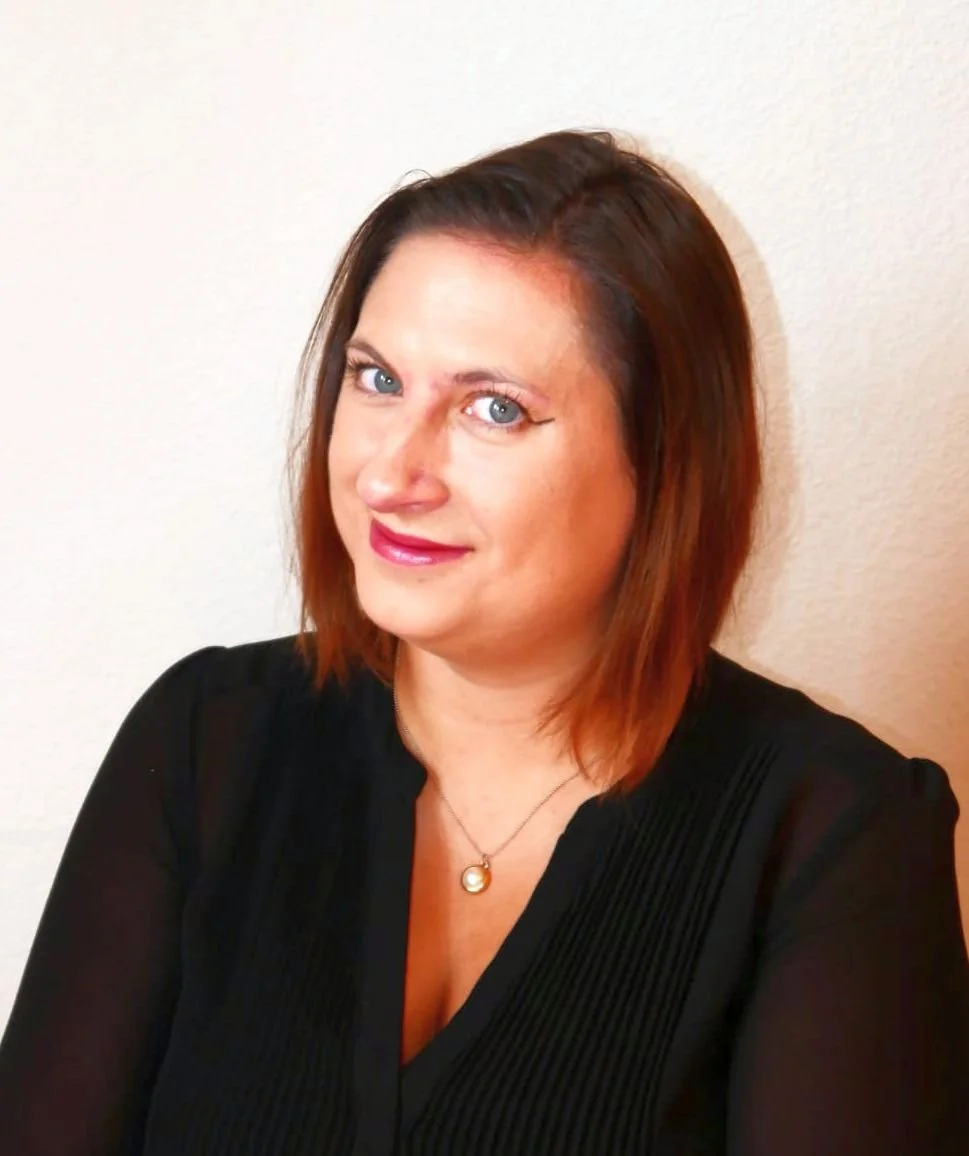
Meet the instructor: Dr. Catharina Werner
University Lecturer and Coordinator of the Digital Entrepreneurship Hub| Freie Universität Berlin
Dr. Catharina Werner teaches entrepreneurship across disciplines, with a focus on entrepreneurial thinking, business model design and practical innovation methods for complex organisational contexts. She played a key role in establishing entrepreneurship education at Freie Universität Berlin, developed several digital learning formats and currently coordinates the Digital Entrepreneurship Hub. Her research focuses on the strategic development and institutional conditions of entrepreneurship education.
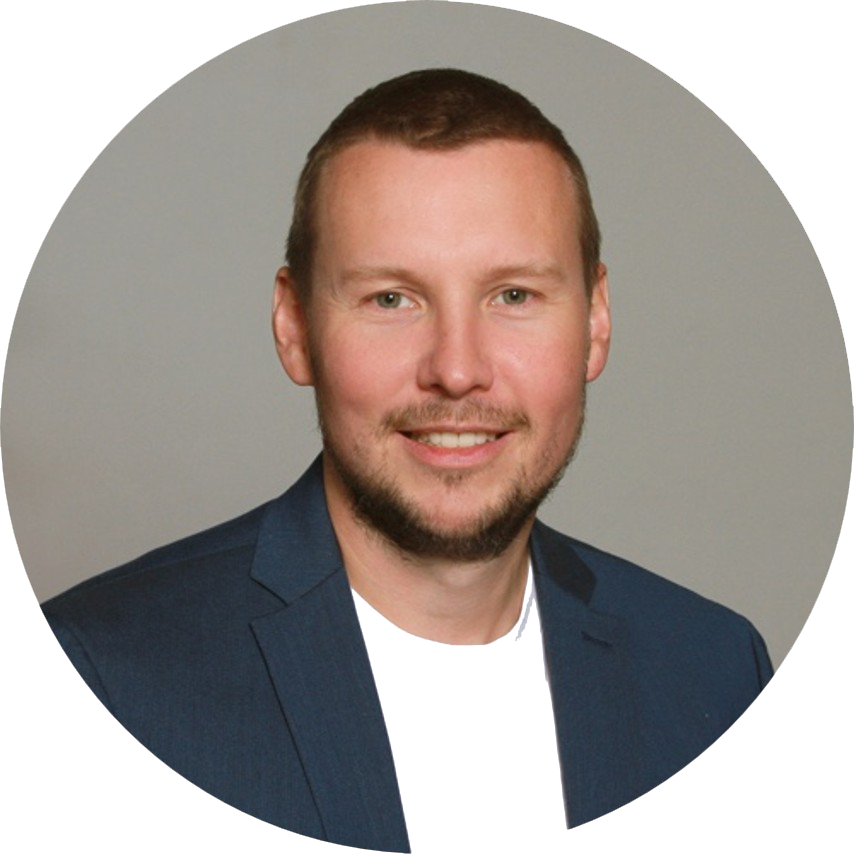
Meet the speaker: Dr. Olaf Wagner
Research and Development of Technologies for Water Purification | Freie Universität Berlin
Dr. Olaf Wagner leads a junior research group at Freie Universität Berlin focusing on the research and development of sustainable materials for water purification. His work spans the path from material design and testing to scale-up and demonstrator development, including projects such as AquaPur, EcoSorb and BioGran. With several years of industry experience and as co-founder of the start-up EverBlue Technologies, he combines academic research with hands-on experience in technology transfer, intellectual property, funding and commercialization.
Program
September 3, 2026: Part 1
10:00–10:15 | Welcome & Course Framing
10:15–10:30 | Problem Types in Green Chemistry Innovation
10:30–11:15 | Interactive Workshop I: Problem Analysis
Interactive introduction to structured methods and simple criteria for identifying, analysing, and framing real-world problems as innovation challenges (technical, regulatory, market, ESG, organisational).
Short inputs and illustrative examples showing how technical and non-technical perspectives approach challenge framing (using internal best practices or adapted/simulated examples where needed).
Immediate application of frameworks to real or realistic cases (i.e from participants’ organisational contexts).
11:15–11:30 | Institutional Logics Perspective
11:30–11:45 | Biobreak with snacks, coffee, water
11:45–12:45 | Interactive Workshop II: Challenge Framing
Guided group work and peer feedback: refine challenge articulation, deepening problem analysis, clarifying assumptions, identifying drivers, constraints and objectives.
Translating analysed problems into structured challenge statements.
This session is explicitly designed as a hands-on workshop, not a lecture.
12:45–13:00 | Wrap up & Preparation for Day 2
September 10, 2026: Part 2
10:00–10:15 | Arrival & Recap of Day 1
10:15–11:15 | Interactive Workshop II: Ideation & Challenge Statement Refinement
Statement Refinement.
Exploring the challenge through a value perspective.
Prototyping possible solution approaches: defining scope, success criteria, boundaries and collaboration needs.
11:15–11:30 | Biobreak with snacks, coffee, water
11:30–12:00 | Mapping Collaboration & Risk
Exploring options for internal and external collaboration.
Practical discussion of feasibility, risk, and evaluation criteria.
Refining the challenge statement through iteration and peer feedback.
Short introduction to greenCHEM and its challenge-based formats as one possible pathway.
12:00–12:10 | Short introduction to greenCHEM and its challenge based formats
12:10–12:35 | Presentation of Challenge Statement
12:35–13:00 | Reflection & Takeaways
Reflection on learnings and individual next steps.
Feedback round and course wrap up.
Who should register?
This workshop is designed for cross-functional industry professionals who want to move from understanding sustainability and green chemistry to actively shaping innovation topics.
Ideal for:
R&D and technical managers
Sustainability & ESG professionals
Innovation and transformation leads
Product and process owners
Procurement and supplier innovation roles
Participants of Course A or B who want to move from understanding to action
Participants typically come from following sectors: manufacturing, chemistry, automotive, packaging, electronics, FMCG, and related sectors. Other sectors are also welcome.